How to Choose a Home Battery Backup System: Practical Guide

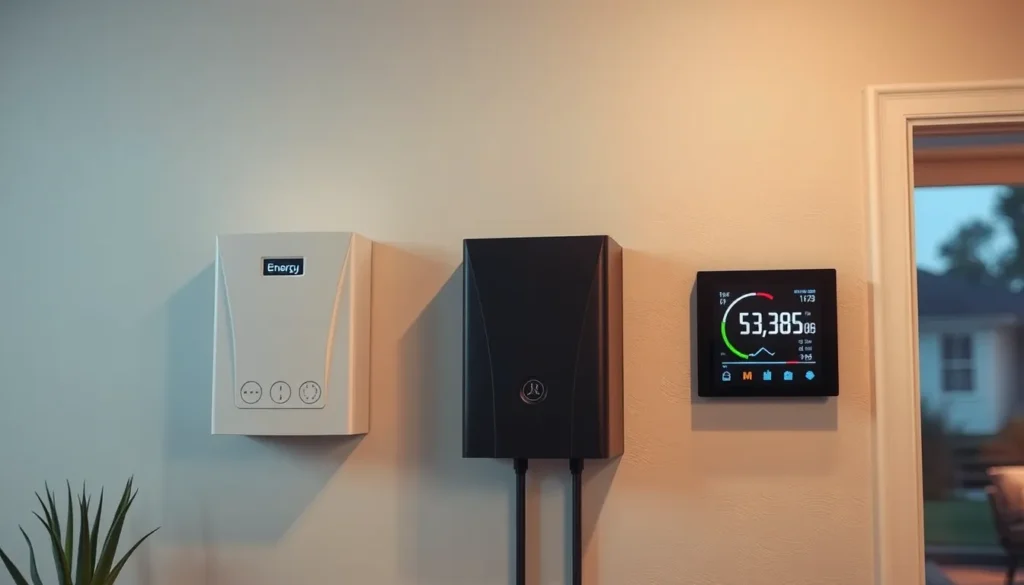
If you are tired of guessing how much energy your home actually uses, this guide cuts through the marketing noise. It focuses on translating technical specifications into practical decisions for your household. You will learn to calculate your specific load requirements and determine the right system architecture for your needs. No brand bias, just clear logic.
We prioritize understanding your consumption patterns over chasing the latest product launch. This approach ensures the battery backup system you select matches your real-world outage frequency and usage habits. By focusing on load calculation first, you avoid overspending on capacity you will never use or undersizing a system that fails during a critical event.
Understanding Your Power Needs: Calculating the Load
- Identify critical circuits: Determine which devices must stay online during an outage. Essential loads typically include refrigerators, medical equipment, lighting, and internet routers. Non-essential items like HVAC systems, electric water heaters, and ovens can usually wait until grid power is restored.
- Calculate running load: Sum the continuous wattage of your selected essential devices. This figure represents the steady power draw required to keep these systems operational.
- Account for startup surge: Many appliances, particularly motors in refrigerators or freezers, require a brief spike in power to start. This surge load is significantly higher than the running load. Your inverter must handle this peak demand without tripping.
System sizing is not based on your home’s total electrical capacity. Instead, it depends on the sum of the running watts plus the highest single surge requirement among your selected appliances. Ignoring this distinction leads to a common failure mode: the battery has enough energy, but the inverter shuts down because it cannot handle the instantaneous power spike. This approach ensures your battery backup system is sized precisely for the specific electrical demands you will actually face, preventing both wasted capacity and potential system failure.
Whole-Home vs. Partial-Home Backup Systems
Whole-home backup systems connect to your main breaker panel via a transfer switch. When the grid fails, the system supplies power to every circuit in the house. This approach guarantees that all appliances remain operational, including central air conditioning, electric heating, and high-demand electronics. However, this architecture demands a significantly larger inverter and battery bank to handle the total connected load, resulting in higher upfront costs and more complex installation requirements.
Partial-home, or critical load, systems operate differently. An electrician creates a separate sub-panel dedicated only to essential circuits, such as refrigeration, lighting, communication devices, and sump pumps. The backup system powers only this isolated subset of your home’s electrical infrastructure.
The trade-off is straightforward. Partial-home systems are less expensive and simpler to design because they target a much lower wattage requirement. They also provide longer runtime for the specific loads you prioritize. Whole-home systems offer total comfort and convenience but require careful load balancing to ensure the inverter can manage simultaneous high-draw devices. If your primary goal is keeping the refrigerator running and lights on, a critical load panel is often the most efficient use of resources. If you rely on electric heating or constant climate control, whole-home coverage may be necessary despite the increased complexity and cost.
Battery Chemistry and Longevity
The choice between Lithium-ion and Lead-acid batteries significantly impacts long-term cost and performance. Lithium-ion, specifically LiFePO4 chemistry, offers a high depth of discharge, allowing you to use most of the stored energy without harming the battery. Lead-acid options, including AGM and Flooded types, typically limit usable capacity to about half their total rating to prevent sulfation.
This difference in depth of discharge means a smaller Lithium-ion pack often delivers the same usable Kilowatt-hours (kWh) as a larger Lead-acid system. Lithium-ion batteries also handle many more charge cycles before degradation, extending their service life considerably. They are lighter and require minimal maintenance, making installation easier and ongoing upkeep simpler.
Lead-acid units have a lower upfront cost but require more frequent replacement. Their heavier weight can complicate mounting, and they are more sensitive to temperature extremes. For modern residential installs, the initial premium for Lithium-ion is usually offset by its longer lifespan and higher efficiency. You get more usable energy from a smaller footprint, reducing the frequency of replacements. This reliability makes Lithium-ion the preferred standard for homeowners seeking a durable, low-maintenance power backup solution.
Inverter Capacity and System Architecture
The inverter acts as the bridge between your DC battery storage and your home’s AC appliances. It converts stored direct current into usable alternating current. When selecting a unit, distinguish between continuous power rating and surge power rating. The continuous rating indicates the maximum sustained load the inverter can handle, while the surge rating covers brief spikes required by motors and compressors to start. If your essential load exceeds the continuous rating, the system will shut down, even if the battery has charge.
System architecture depends on how the inverter interfaces with your power sources. String inverters typically handle solar input separately from battery management, often requiring additional components for grid interaction. Hybrid inverters combine solar charging, battery management, and grid connection in a single unit. This integration simplifies wiring but requires the inverter to match the battery bank’s voltage and your home’s electrical phase requirements. Mismatched voltage or phase configuration can prevent the system from functioning or cause damage. Ensure the inverter’s input specifications align precisely with your chosen battery chemistry and capacity to maintain efficiency and safety during operation.
Integration with Solar and Grid Power
When a solar array is paired with a battery, the panels first generate DC power that a charge controller directs either straight to the home’s load, into the battery bank, or both, depending on the current demand and the state of charge. The stored energy is then converted by the inverter to AC for household use, while the utility grid remains available as a third source.
Self‑consumption refers to the portion of solar generation that is used on‑site—either immediately or after being stored in the battery—rather than being exported to the grid. By increasing self‑consumption, homeowners reduce the amount of kilowatt‑hours (kWh) drawn from the utility, which can lower electricity bills and make better use of the system’s Watt‑hours (Wh) capacity.
Backup mode activates when the grid fails. The inverter switches to draw power from the battery, delivering the essential load while respecting the battery’s depth of discharge (DoD) limits. Lithium‑ion packs typically allow deeper DoD than Lead‑acid, influencing how long the backup can sustain the load.
Compatibility checks are essential because not every battery chemistry works with every solar inverter. Verify that the inverter supports battery integration, matches the battery bank’s voltage, and communicates with the battery management system to manage charging curves and safety limits.
The utility meter plays a key role in net‑metering arrangements. A bi‑directional meter records both exported solar energy and imported electricity. Adding a battery can change export patterns, so it’s important to confirm that the utility’s net‑metering policy accommodates stored‑energy discharge without penalizing the homeowner.
Installation, Safety, and Maintenance
Professional installation is non-negotiable for high-voltage home battery systems. Electricians ensure compliance with local electrical codes, proper breaker sizing, and safe grounding. Attempting DIY installation of Lithium-ion or Lead-acid units poses significant risks of fire, shock, or voided warranties. Never bypass a qualified electrician for the main disconnect or inverter wiring.
Ventilation requirements vary by chemistry. Lead-acid batteries release hydrogen gas during charging, necessitating dedicated exhaust vents to prevent explosive atmospheres. Lithium-ion systems generally do not off-gas under normal conditions but still require adequate airflow to manage heat from the Battery Management System. Always follow the manufacturer’s specified clearance distances from walls and combustible materials.
Routine maintenance extends system life and ensures safety. Schedule periodic capacity checks to verify the battery holds its rated Kilowatt-hours (kWh) against its Depth of Discharge (DoD) limits. Inspect all physical connections for corrosion or looseness, as poor contacts generate heat. Install firmware updates prompted by the inverter or monitoring app to address bug fixes and improve charge efficiency. While these tasks are straightforward, any internal repair or replacement of high-voltage components must strictly remain in the hands of certified technicians.
